

Choosing the right journaling strategy can feel overwhelming when you're staring at a blank page and a dozen different methods. Meta-analyses show that journaling can reduce anxiety by 5 to 9% and improve depression symptoms in mild cases at a level comparable to antidepressants. That's not a small claim. This article walks you through a practical framework for selecting the best journaling approach, breaks down the major types, gives you a stepwise plan to build the habit, and explains what the evidence actually says about long-term results.
Table of Contents
- Framework for selecting the right journaling strategy
- Expressive, reflective, gratitude, CBT-based, and mood-tracking journaling types
- Stepwise methodologies and prompt ideas for journaling integration
- Evidence-based benefits and expert recommendations
- Situational recommendations for maximizing mental wellness effects
- Turn your mood into action: Next steps with Voisley
- Frequently asked questions
Key Takeaways
| Point | Details |
|---|---|
| Journaling types | Choose from expressive, reflective, gratitude, CBT-based, and mood-tracking to target specific wellness needs. |
| Habit building | Start small—5-15 minutes daily—and use prompts to build consistency and personalization. |
| Evidence-based benefits | Meta-analyses show clear reductions in anxiety and depression with regular journaling. |
| Balance focus | Combine positive and negative prompts to avoid emotional distress and maximize wellness gains. |
| Expert endorsements | Healthcare organizations and experts recommend gratitude journaling for building resilience and longevity. |
Framework for selecting the right journaling strategy
Before you pick a journaling type, it helps to know what you're actually trying to accomplish. Are you trying to release pent-up emotions? Build a more positive mindset? Spot recurring thought patterns that keep pulling you down? Your goal shapes everything.
When evaluating your options, consider these key criteria:
- Emotional release: Do you need a space to vent without judgment?
- Self-reflection: Are you looking to understand your behavior and choices better?
- Positivity building: Do you want to shift your default mental state toward gratitude?
- Pattern recognition: Are you trying to identify emotional triggers or mood cycles?
- Time commitment: Can you realistically give 5 minutes or 30 minutes each day?
- Ease of use: Do you prefer open-ended writing or structured prompts?
- Personalization: Does the method allow you to adapt it as your needs change?
Journaling externalizes your thoughts, which reduces cognitive load and breaks the cycle of emotional looping, where the same worry replays on a loop without resolution. Getting thoughts out of your head and onto a page gives your brain permission to stop holding onto them so tightly.
If you're unsure where to start, exploring guided journaling clarity can help you find a structured entry point that matches your current emotional needs.
Pro Tip: Start with just 5 to 15 minutes daily. Consistency matters far more than duration, especially in the first few weeks.
Expressive, reflective, gratitude, CBT-based, and mood-tracking journaling types
Not all journaling is the same. Each type serves a distinct purpose, and knowing the difference helps you choose wisely. Journaling types for mental wellness include expressive writing, reflective journaling, gratitude journaling, CBT-based thought records, and mood tracking, and each one targets a different layer of emotional experience.
Expressive journaling is raw and unfiltered. You write whatever comes up, no editing, no structure. It's powerful for emotional release but can occasionally stir up distress if you revisit painful memories without a plan for processing them.

Reflective journaling focuses on insight. You examine your experiences, decisions, and reactions to understand yourself better. Self-reflection enhances self-awareness and emotional regulation, but it works best when you approach it without self-judgment.
Gratitude journaling trains your attention toward what's working. Research consistently links it to greater resilience and improved mood over time.
CBT-based journaling (Cognitive Behavioral Therapy) uses structured prompts to challenge distorted thinking. You identify a negative thought, examine the evidence for and against it, and reframe it. It's one of the most clinically grounded approaches available.
Mood-tracking journaling is less about writing and more about logging. You rate your mood, note triggers, and review patterns over time. It's excellent for building self-awareness without requiring a lot of words.
"Keeping a gratitude journal and focusing on the good things in your life can help build resiliency." — Mayo Clinic
Here's a quick comparison to help you decide:
| Journaling type | Primary benefit | Best for | Time needed |
|---|---|---|---|
| Expressive | Emotional release | Processing grief, stress, trauma | 10 to 20 min |
| Reflective | Self-awareness | Personal growth, decision-making | 10 to 15 min |
| Gratitude | Positivity, resilience | Low mood, negativity bias | 5 to 10 min |
| CBT-based | Thought restructuring | Anxiety, distorted thinking | 15 to 25 min |
| Mood tracking | Pattern recognition | Mood swings, emotional triggers | 2 to 5 min |
For a broader look at how these fit into your overall wellness routine, check out mental wellness tips and explore journaling techniques that support emotional regulation. If you're drawn to deeper inner work, self-exploration clarity is worth reading next.
Stepwise methodologies and prompt ideas for journaling integration
Knowing the types is one thing. Actually building the habit is another. Here's a practical 8-week plan that moves from basic habit formation to full personalization, based on a clinician-guided approach that recommends starting with 5 to 15 minutes daily and using prompts and mood ratings to build consistency.
- Weeks 1 to 2: Write for 5 minutes each morning or evening. Use a single prompt: "How am I feeling right now, and why?"
- Weeks 3 to 4: Add a mood rating (1 to 10) before and after writing. Notice if the act of writing shifts your score.
- Weeks 5 to 6: Introduce a gratitude prompt alongside your main entry. Write three specific things you appreciated today.
- Weeks 7 to 8: Review your past entries. Look for recurring emotions, triggers, or thought patterns. Adjust your prompts based on what you find.
Here are some prompt ideas organized by focus:
| Prompt type | Example prompt | Suggested time |
|---|---|---|
| Emotion-focused | "What emotion is loudest right now? Where do I feel it in my body?" | 10 min |
| Mood rating | "Rate your mood 1 to 10. What's driving that number today?" | 5 min |
| Gratitude | "Name three specific moments from today that felt good, even briefly." | 5 to 10 min |
| Pattern review | "What theme keeps showing up in my entries this week?" | 10 to 15 min |
| CBT reframe | "What's a thought I keep having? What evidence challenges it?" | 15 min |
Beyond anxiety, expressive writing has been shown to boost immunity and lower blood pressure, which means the benefits extend well past your emotional state. For a structured approach to building this into your daily life, the well-being workflow framework offers a clear path forward.
Pro Tip: Approach your entries without judgment. You're not writing for an audience. You're writing for clarity. The moment you start editing yourself, you lose the most valuable part of the process.
Evidence-based benefits and expert recommendations
The research on journaling is more robust than most people realize. Here's what the evidence actually shows:
- Anxiety reduction of 5 to 9% across multiple meta-analyses
- A 6% improvement in PTSD symptoms through structured expressive writing
- Comparable outcomes to antidepressants for mild depression in some studies
- Improved immune function and lower blood pressure from regular expressive writing
- Greater emotional resilience and longevity linked to gratitude journaling
Expressive journaling can cause short-term distress, especially when you're processing difficult memories. That's normal. The long-term gains, including reduced rumination and stronger emotional regulation, consistently outweigh the temporary discomfort for most people.
"Keeping a gratitude journal... can help build resiliency" and is recommended as part of a broader strategy for emotional longevity. — Mayo Clinic
Statistic to remember: A 5 to 9% reduction in anxiety might sound modest, but for someone managing chronic stress, that shift can be the difference between a manageable day and an overwhelming one.
To understand how these benefits connect to broader emotional health, read about emotional resilience benefits, explore mindfulness practices that complement journaling, and look into the emotional regulation science behind why these methods work.
Situational recommendations for maximizing mental wellness effects
Different challenges call for different strategies. Here's how to match your journaling approach to what you're actually dealing with:
- High stress: Start with expressive journaling to release pressure, then shift to reflective prompts to identify what's driving the stress.
- Mood swings: Use mood-tracking journaling daily to spot patterns. Pair it with a brief gratitude entry to anchor positive moments.
- Low positivity or negativity bias: Lead with gratitude journaling. Even two or three specific entries per day can begin to rewire your default attention.
- Anxious thinking: CBT-based journaling is your best tool. Challenge the thought, examine the evidence, and write a more balanced version.
- General self-awareness: Reflective journaling works well here, especially when combined with weekly pattern reviews.
Combining expressive and gratitude journaling is one of the most effective pairings. You get the release of expressive writing and the mood lift of gratitude without letting either one dominate. Balancing positive and negative focus is key because expressive writing can cause short-term distress, but the long-term benefits are well established when you don't stay stuck in the negative.
Two common pitfalls to avoid: negative looping (writing the same complaint repeatedly without reflection) and inconsistent practice (journaling only when you feel bad). Both undermine the habit and limit your results. For a deeper look at how self-examination affects your mental state, the article on introspection and mental health offers useful perspective.
Pro Tip: If you notice you're being harsh toward yourself in your entries, pause and rewrite the sentence as if you were advising a close friend. That small shift changes everything.
Turn your mood into action: Next steps with Voisley
You now have a clear picture of which journaling strategies work, why they work, and how to build them into your daily life. The next step is putting that knowledge into a system that actually sticks.
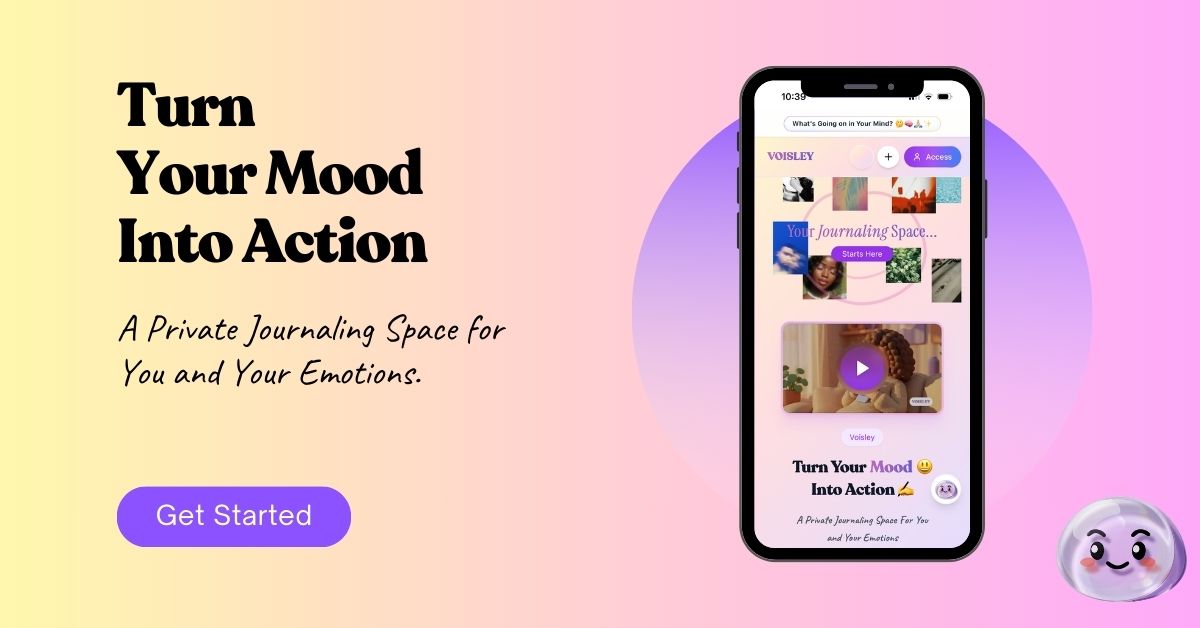
Voisley brings together everything covered in this article into one structured platform. You get guided prompts tailored to your emotional goals, mood tracking with visual trend analysis, and multiple journal types including gratitude, shadow work, and future goals. The AI-powered insights help you spot patterns you might miss on your own, and the private, structured environment makes it easier to stay consistent. Whether you're just starting out or looking to deepen an existing practice, Voisley gives you the tools to turn self-reflection into real, measurable emotional growth.
Frequently asked questions
How much time should I spend journaling daily for mental wellness?
Start with 5 to 15 minutes each day, focusing on consistency over length. A short daily habit builds more momentum than occasional long sessions.
Which journaling type is most effective for anxiety reduction?
Expressive and gratitude journaling are both evidence-backed options, with meta-analyses showing expressive writing reduces anxiety by 5 to 9%. Combining both types gives you emotional release alongside a positive focus.
Can journaling improve emotional resilience?
Yes. Gratitude journaling in particular is endorsed by Mayo Clinic as a strategy for building resiliency and supporting long-term emotional health.
Are there risks to journaling, such as worsening depression?
Focusing only on negative emotions can reinforce low mood. Balancing your prompts between difficult feelings and positive experiences keeps the practice safe and productive.
What if I'm not seeing progress after several weeks?
Review your past entries for recurring themes and adjust your prompts accordingly. Weekly pattern reviews and trying a different journaling type often unlock progress that consistent same-style writing can miss.