

Introspection is often praised as a pathway to self-awareness and emotional growth, but it can also lead to harmful rumination that worsens anxiety and depression. The difference between productive reflection and destructive overthinking determines whether introspection helps or harms your mental health. Understanding this distinction empowers you to use self-reflection purposefully, transforming it into a practical tool for emotional well-being. This guide explores evidence-based methods to harness introspection effectively, helping you build genuine self-awareness while avoiding common psychological traps that undermine mental health and personal growth.
Table of Contents
- Key Takeaways
- Understanding introspection: reflection versus rumination
- The benefits and limits of introspection for mental health
- Mindfulness and journaling: practical tools to harness introspection
- Applying introspection safely: tips and considerations
- Explore Voisley for mood management and introspective tools
- FAQ
Key Takeaways
| Point | Details |
|---|---|
| Reflection vs rumination | Reflection is goal oriented analysis aimed at problem solving, while rumination repeats negative thoughts that worsen distress. |
| Purposeful reflection yields action | When reflection is purposeful, it helps identify patterns and generate actionable steps that improve mood over time. |
| Time boxed reflection | Set a 10 minute timer during challenging reflections and shift to mood management if no actionable insights emerge. |
| Rumination elevates distress | Rumination increases distress and prolongs stress responses, making psychological recovery harder. |
Understanding introspection: reflection versus rumination
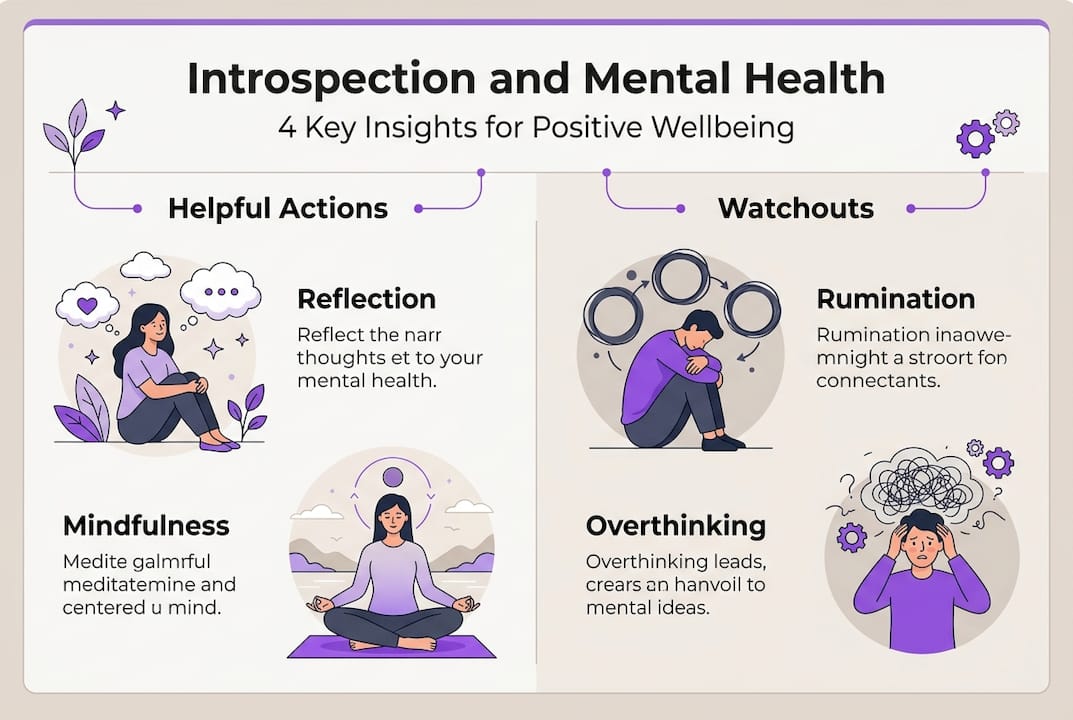
Introspection encompasses examining your thoughts, feelings, and motivations to gain self-understanding. This broad category includes two distinct cognitive processes with opposite effects on mental health. Reflection involves purposeful analysis aimed at problem-solving and personal growth, while rumination consists of repetitive negative thinking that traps you in unproductive mental loops.
Rumination increases distress and prolongs stress responses, whereas reflection leads to insight and constructive action. Research consistently links rumination to depression, anxiety, and post-traumatic stress disorder. When you ruminate, your mind cycles through problems without reaching solutions, intensifying emotional pain and cognitive distortions. This pattern activates stress responses repeatedly, preventing psychological recovery and undermining resilience.
Reflection operates differently by maintaining a goal-oriented focus. You examine situations to understand causes, identify patterns, and develop actionable responses. This purposeful approach transforms introspection into a tool for emotional regulation rather than a source of distress. Reflection helps you process experiences constructively, extracting lessons that inform future decisions and behaviors.
Recognizing the difference between these processes protects your mental health:
- Reflection asks "What can I learn?" while rumination asks "Why does this always happen to me?"
- Reflection generates specific solutions, rumination circles around vague worries
- Reflection has natural endpoints, rumination continues indefinitely without resolution
- Reflection improves mood over time, rumination intensifies negative emotions
Pro Tip: Set a 10-minute timer when reflecting on challenging situations. If you haven't identified actionable insights by the end, shift your attention to mood management techniques that break rumination cycles.
"The distinction between reflection and rumination determines whether introspection becomes a path to insight or a cognitive trap that perpetuates psychological distress and impairs emotional functioning."
This fundamental difference explains why introspection produces such varied mental health outcomes across individuals and contexts.
The benefits and limits of introspection for mental health
Scientific evidence reveals a complex relationship between introspection and mental health that challenges simplistic assumptions. Self-reflection positively associates with negative mental health indicators like depression and anxiety but shows no significant link to positive mental health measures such as life satisfaction or well-being. This paradoxical finding suggests introspection amplifies existing emotional states rather than universally improving psychological functioning.
Meta-analytic research examining dozens of studies found moderate positive correlations between introspection and symptoms of depression and anxiety. People who engage in frequent self-examination report higher levels of psychological distress on average. However, this relationship varies substantially based on how individuals practice introspection and their underlying personality characteristics.
The research reveals important nuances that explain these mixed outcomes. Cultural background influences whether introspection benefits or harms mental health, with individualistic cultures showing stronger negative associations. Personality traits like neuroticism intensify introspection's connection to distress, while traits like conscientiousness can buffer against negative effects. The type of introspection matters enormously, with self-rumination predicting worse outcomes than self-reflection across studies.
| Mental health measure | Correlation with introspection | Practical implication |
|---|---|---|
| Depression symptoms | Moderate positive (r = 0.35) | Frequent introspection may worsen depressive thinking patterns |
| Anxiety symptoms | Moderate positive (r = 0.32) | Self-examination can amplify worry and fear responses |
| Life satisfaction | No significant relationship | Introspection alone doesn't increase happiness or fulfillment |
| Psychological well-being | No significant relationship | Positive mental health requires action beyond reflection |
These findings highlight that introspection functions as an amplifier rather than a direct cause of mental health outcomes. When you reflect purposefully on actionable problems, introspection supports emotional processing and adaptive coping. When you ruminate on unchangeable situations or abstract worries, introspection intensifies distress without producing benefits.
Pro Tip: Balance introspection with concrete action steps. After identifying patterns through mental health self-reflection, commit to one specific behavioral change that addresses your insights. This combination transforms awareness into measurable improvement.
The absence of positive mental health benefits suggests introspection works best as one component within a broader wellness strategy that includes social connection, physical activity, and meaningful engagement with life goals.
Mindfulness and journaling: practical tools to harness introspection
Evidence-based techniques transform introspection from a potential risk into a powerful tool for emotional well-being. Mindfulness meditation improves interoception and reduces psychological distress, while journaling techniques support self-reflection safely and effectively. These structured approaches provide frameworks that guide introspection toward productive outcomes while minimizing rumination risks.
Several introspective practices demonstrate consistent mental health benefits:
- Expressive writing about emotional experiences reduces intrusive thoughts and improves mood regulation
- Gratitude journaling shifts attention toward positive experiences, counterbalancing negative introspection
- Cognitive behavioral thought records identify and challenge distorted thinking patterns
- Mindfulness meditation builds awareness of present-moment experiences without judgment
- Body scan practices enhance interoceptive awareness and emotional recognition
These methods share common elements that explain their effectiveness. They provide structure that prevents aimless rumination, focus attention on specific aspects of experience, and encourage non-judgmental observation rather than harsh self-criticism. The time-limited nature of these practices creates natural endpoints that prevent excessive introspection.
To start mindful journaling effectively, follow this sequence:
- Choose a consistent time and quiet location for your practice to build sustainable habits
- Set a specific duration between 10 and 20 minutes to prevent overthinking
- Begin with a clear prompt or question that focuses your reflection purposefully
- Write continuously without editing or censoring your thoughts and feelings
- Conclude by identifying one actionable insight or specific next step
- Review entries weekly to recognize patterns and track emotional growth over time
Mindfulness practices complement journaling by developing the observational skills that support healthy introspection. Regular meditation trains you to notice thoughts and emotions without becoming entangled in them. This metacognitive awareness helps you recognize when reflection shifts into rumination, allowing you to redirect attention before distress intensifies.
Research-supported mindfulness approaches include:
- 10-minute daily breathing meditation focusing on breath sensations
- 20-minute body scan practices that systematically observe physical sensations
- 5-minute mindful pauses throughout the day to check in with current emotional states
- 15-minute loving-kindness meditation to cultivate self-compassion during reflection
Pro Tip: Combine expressive writing and journaling with brief mindfulness exercises. Start each journaling session with two minutes of focused breathing to center your attention and create psychological distance from intense emotions.
These practical tools make introspection safer and more effective by providing structure, limiting duration, and emphasizing actionable insights over abstract analysis. The combination of mindfulness and journaling creates a comprehensive approach to self-reflection that maximizes benefits while minimizing risks.
Applying introspection safely: tips and considerations
Managing introspection effectively requires recognizing warning signs and understanding personal factors that influence outcomes. Excessive introspection can worsen depression and anxiety, with protective effects depending on moderating factors like self-reflection quality and cultural context. Awareness of these dynamics helps you harness introspection's benefits while avoiding psychological pitfalls.
Warning signs of harmful over-introspection include persistent negative mood after reflection sessions, increasing social withdrawal to engage in self-analysis, difficulty making decisions due to excessive deliberation, and physical symptoms like tension or fatigue following introspection. These indicators suggest your practice has shifted from productive reflection to destructive rumination.
Personality traits significantly influence introspection outcomes. High neuroticism predicts stronger associations between introspection and distress, as emotional instability amplifies negative thought patterns. Perfectionism intensifies self-criticism during reflection, transforming introspection into harsh self-judgment. Conversely, trait mindfulness and self-compassion buffer against introspection's risks by promoting non-judgmental observation.
Cultural factors shape how introspection affects mental health. Individualistic cultures emphasizing personal autonomy show stronger links between introspection and negative outcomes. Collectivistic cultures that value interdependence may experience different introspection patterns, though research in this area continues to develop. Your cultural background influences whether self-focus feels natural or uncomfortable, affecting how you experience introspective practices.
| Effective self-reflection | Excessive rumination |
|---|---|
| Time-limited sessions with clear endpoints | Open-ended thinking that continues for hours |
| Focus on specific situations or problems | Vague worrying about general inadequacies |
| Generates actionable insights and solutions | Circles through problems without resolution |
| Improves mood and increases clarity | Intensifies negative emotions and confusion |
| Includes self-compassion and balanced perspective | Dominated by self-criticism and catastrophizing |
Best practices for maintaining healthy introspection balance:
- Schedule specific times for reflection rather than engaging spontaneously when distressed
- Alternate introspective practices with outward-focused activities like social connection or creative pursuits
- Track your emotional state before and after reflection to identify beneficial versus harmful patterns
- Use structured prompts or guided exercises rather than free-form rumination
- Share insights with trusted friends or therapists to gain external perspective
- Take breaks from introspection when you notice diminishing returns or increased distress
Professional guidance becomes essential when introspection consistently worsens your mental health, rumination interferes with daily functioning, you experience intrusive thoughts you cannot control, or self-reflection triggers intense emotional reactions. Therapists trained in cognitive behavioral therapy or mindfulness-based approaches can teach mental health management strategies that transform introspection into a therapeutic tool rather than a source of suffering.
Clinician-guided introspection provides safety through structured frameworks, professional feedback on thought patterns, and accountability that prevents excessive self-focus. This support proves especially valuable for individuals with depression, anxiety disorders, or trauma histories where unguided introspection carries higher risks.
Explore Voisley for mood management and introspective tools
Transforming introspective insights into lasting mental health improvements requires practical tools that support purposeful reflection while preventing harmful rumination. Voisley offers a comprehensive platform designed specifically for individuals seeking to enhance emotional well-being through structured self-reflection and evidence-based techniques.
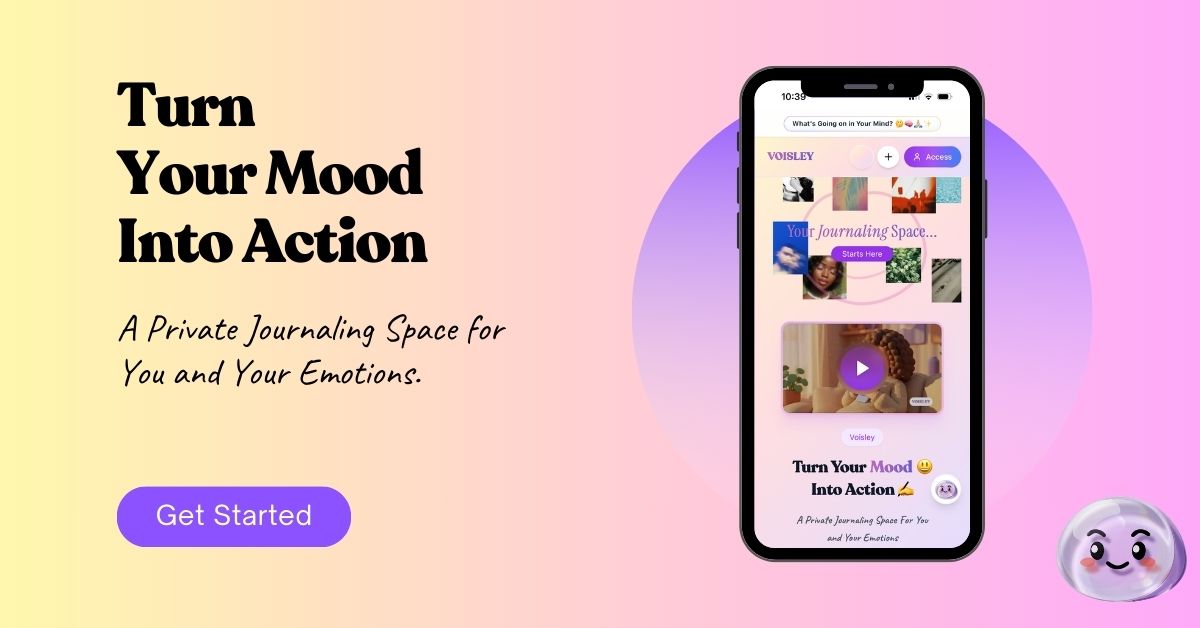
The platform combines guided journaling with mood tracking and cognitive behavioral frameworks, creating a safe space to explore thoughts and feelings meaningfully. Personalized prompts help you focus reflection on actionable areas, while AI-powered insights reveal emotional patterns you might miss through unstructured introspection. Visualizations transform abstract self-awareness into concrete understanding, showing how your emotional states connect to specific triggers and contexts.
Voisley's features directly address the challenges this guide explores. Structured journal types prevent aimless rumination by providing clear frameworks for reflection. Time-limited prompts create natural endpoints that stop overthinking. The Voisley mood management platform emphasizes translating insights into behavioral changes, ensuring introspection leads to growth rather than analysis paralysis. These tools empower you to practice safe, effective introspection that genuinely improves emotional well-being and supports lasting personal development.
FAQ
What is the difference between introspection and rumination?
Introspection involves purposeful examination of your thoughts and feelings to gain self-understanding and identify growth opportunities. Rumination represents a specific type of introspection characterized by repetitive negative thinking that intensifies distress without producing solutions. While healthy introspection leads to actionable insights and emotional resolution, rumination traps you in unproductive mental loops that worsen anxiety and depression.
How can I practice introspection without overthinking?
Use structured tools like guided journaling prompts or mindfulness exercises that provide clear focus and natural endpoints. Set specific time limits for reflection sessions, typically 10 to 20 minutes, and conclude by identifying one concrete action step based on your insights. This approach transforms introspection into a purposeful practice rather than endless analysis, ensuring you gain clarity without falling into rumination patterns.
Can mindfulness improve my ability to self-reflect?
Mindfulness significantly enhances self-reflection quality by developing metacognitive awareness and emotional regulation skills. Mindfulness meditation training improves interoception and reduces psychological distress, creating the mental clarity needed for productive introspection. Regular practice helps you observe thoughts and feelings without judgment, preventing the harsh self-criticism that transforms reflection into rumination.
When should I seek help for negative introspection or rumination?
Seek professional support when rumination causes persistent anxiety or depression that interferes with daily functioning, when you cannot stop intrusive negative thoughts despite trying various techniques, or when self-reflection consistently worsens your emotional state. Clinician-guided introspection practices ensure safety and effectiveness, particularly for individuals with mental health conditions where unstructured introspection carries elevated risks. Therapists can teach cognitive behavioral strategies that transform harmful rumination into productive reflection.