

Most people are confident they know themselves well. But only 10-15% truly are self-aware, according to researcher Tasha Eurich, even though 95% believe they are. That gap is not a character flaw. It is a skills gap. The good news is that self-awareness is trainable. With the right habits and honest feedback, you can close the distance between who you think you are and who you actually are. This article walks you through 10 evidence-based strategies to build genuine self-awareness and emotional clarity, starting today.
Table of Contents
-
2. Ask ‘what’ (not ‘why’) questions-questions)
Key Takeaways
| Point | Details |
|---|---|
| Self-awareness is rare | Most people overestimate their self-awareness, but it can be significantly improved with research-backed strategies. |
| Balance reflection with feedback | Combine introspective techniques and honest feedback from others for a fuller, more accurate self-understanding. |
| Journaling and mindfulness work | Regular journaling and mindfulness offer reliable, actionable ways to boost emotional clarity and personal growth. |
| Methods suit each stage | Choose and adapt self-awareness techniques based on your current stage of self-development for best results. |
| Plan, act, and refine | Create a routine, start small, and regularly review your progress to sustain long-term improvements in self-awareness. |
Understanding self-awareness: What and why
Before you can improve self-awareness, you need to know what it actually is. Self-awareness has two dimensions: internal and external. Internal self-awareness means understanding your own values, emotions, and what drives your decisions. External self-awareness means recognizing how other people perceive you.
Most people are stronger in one dimension than the other. Someone might know their values deeply but be completely blind to how their tone lands in a conversation. Both forms matter equally for emotional intelligence and personal growth. Developing personal insight and self-awareness in both areas creates a fuller, more accurate picture of yourself.
Here is why this matters:
-
Emotional regulation: You can only manage emotions you can name and recognize.
-
Better relationships: External awareness reduces misunderstandings and builds trust.
-
Clearer decisions: Internal awareness aligns your choices with your actual values.
-
Faster growth: Knowing your blind spots lets you target real areas for improvement.
1. Practice daily journaling for self-reflection
Journaling daily about events, interactions, and the feelings attached to them builds self-reflection and emotional clarity over time. It is not about writing perfectly. It is about creating a consistent space to process what happened and how you responded.
Regular writing reduces rumination by externalizing your thoughts. Instead of looping the same worry in your head, you put it on the page and examine it. This shift from passive overthinking to active self-exploration for mental clarity is one of the most accessible tools available.
Try these journaling formats to get started:
-
Emotion check-in: Write three emotions you felt today and what triggered each one.
-
Pattern spotting: Note recurring reactions or situations that keep showing up.
-
Values audit: Reflect on whether today’s actions aligned with what matters most to you.
“The act of writing forces you to slow down and actually look at your experience instead of just living through it.”
Pro Tip: Use guided journaling for clarity if blank pages feel overwhelming. Structured prompts remove the friction and keep your reflection focused. You can also explore journaling techniques for emotional regulation to match your format to your emotional goals.
2. Ask ‘what’ (not ‘why’) questions
When something goes wrong, the instinct is to ask “Why did I do that?” or “Why do I always feel this way?” The problem is that “why” questions often lead to circular thinking and self-blame rather than insight.
Research suggests using “what” questions instead for reflection. “What am I feeling right now?” or “What does this reaction tell me about my needs?” These questions open doors instead of closing them.
Effective “what” questions for daily reflection:
-
What emotion is most present for me right now?
-
What did I need in that situation that I did not get?
-
What would I do differently if I had another chance?
-
What pattern am I noticing in my reactions this week?
Pro Tip: Pair “what” questions with your journaling practice. Write the question at the top of the page and let your answer flow without editing. This approach also supports deeper introspection and mental health insights over time.
3. Engage in mindfulness and body scan exercises
Mindfulness practices, including body scan exercises, enhance emotional self-awareness by helping you notice feelings as physical sensations before they escalate. Tension in your shoulders, a tight chest, a clenched jaw. These are early signals your body sends before your mind catches up.
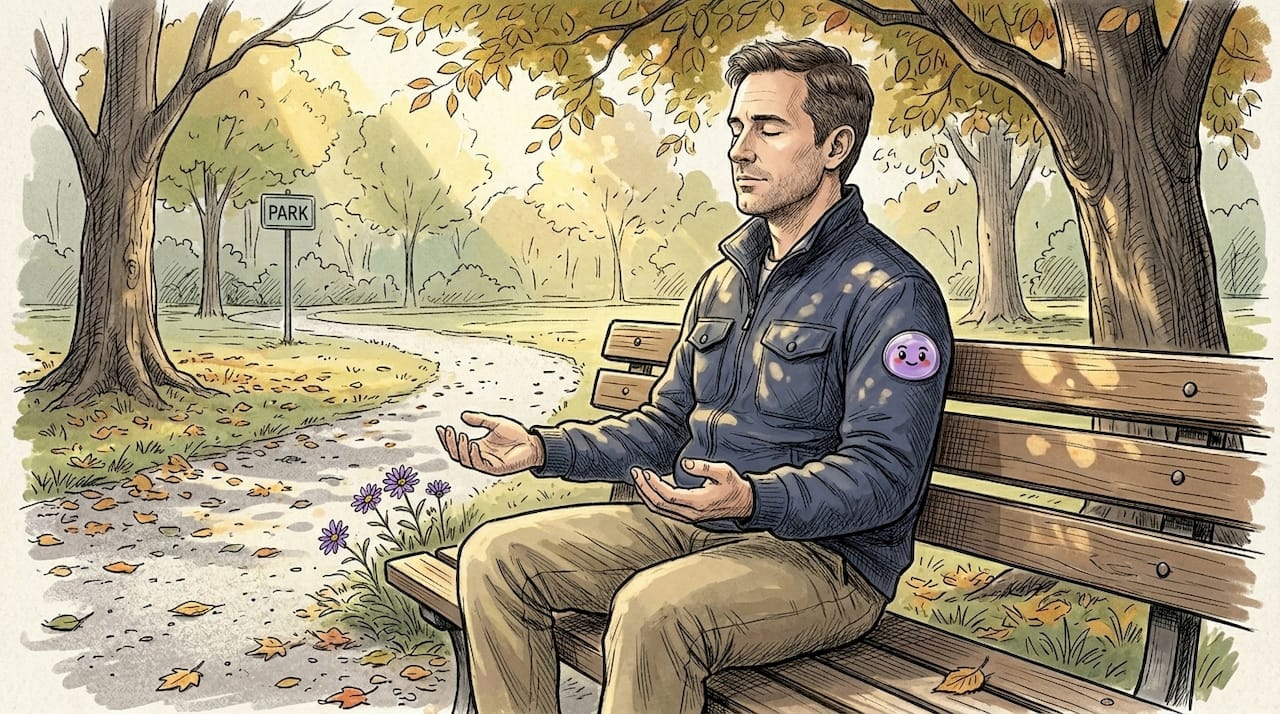
A body scan is simple. Lie down or sit comfortably, close your eyes, and slowly move your attention from your feet to the top of your head. Notice any areas of tension or discomfort without trying to fix them. This practice trains you to read your body as an emotional map.
Brief mindfulness practice of just 15 minutes can reduce self-reference biases and improve balanced self-other processing. That means you become less reactive and more accurate in how you see yourself and others.
“Mindfulness is not about emptying your mind. It is about watching your mind without getting swept away by it.”
Pro Tip: Explore mindfulness for emotional well-being and combine it with science-backed emotional regulation strategies for a more complete practice.
4. Seek honest feedback from others
Feedback from trusted friends, family, or therapists uncovers blind spots in your emotions and behaviors that self-reflection alone cannot reach. You simply cannot see your own face without a mirror.
Choosing the right people matters. Look for individuals who are honest but kind, who know you in different contexts, and who have your growth in mind. Avoid people who only validate or only criticize.
“Feedback is not a verdict. It is a data point. You decide what to do with it.”
How to make feedback conversations productive:
-
Ask specific questions: “How do I come across when I am stressed?”
-
Listen without defending. Take notes if it helps.
-
Thank the person before responding.
-
Reflect on the feedback privately before acting on it.
Building this kind of honest dialogue supports your broader emotional well-being workflow and keeps your self-image grounded in reality.
5. Use 360-degree feedback tools
Informal feedback is valuable, but structured tools like 360-degree reviews take it further. 360-degree feedback and multi-rater assessments reveal blind spots with greater objectivity, especially when paired with coaching.
| Feature | Informal feedback | 360-degree feedback |
|---|---|---|
| Source | 1-2 trusted people | Multiple raters across roles |
| Objectivity | Moderate | High |
| Structure | Unstructured | Standardized questions |
| Best for | Emotional support | Professional and personal growth |
| Coaching integration | Optional | Strongly recommended |
Pro Tip: Use a mental wellness checklist alongside structured feedback to track how insights translate into daily habits and emotional shifts.
6. Recognize the pitfalls of introspection
Introspection feels productive, but it has a shadow side. Over-reliance on introspection can lead to the “introspection trap,” where you reinforce existing beliefs instead of challenging them. This is confirmation bias at work inside your own mind.
“Looking inward without a reality check is like editing your own writing. You will miss the errors every time.”
How to avoid the introspection trap:
-
Actively seek evidence that contradicts your self-view.
-
Ask yourself: “What would someone who disagrees with me say?”
-
Rotate between solo reflection and external feedback regularly.
-
Notice when your journaling starts to feel like justification rather than exploration.
Exploring personal insight traps can help you recognize when your inner narrative is protecting you from growth rather than supporting it.
7. Tailor methods to your self-awareness stage
Self-awareness develops nonlinearly across stages: subjective, objective, and constructive-developmental. Where you are right now shapes which strategies will work best for you.
| Stage | Characteristics | Best strategies |
|---|---|---|
| Subjective | Limited self-insight, reactive | Journaling, body scans, basic prompts |
| Objective | Growing awareness, some blind spots | Feedback, “what” questions, mindfulness |
| Constructive-developmental | Nuanced, integrative self-view | 360 tools, coaching, pattern analysis |
To identify your current stage, ask yourself:
-
Do I often feel surprised by how others react to me?
-
Can I name my emotional triggers before they escalate?
-
Do I actively seek out perspectives that challenge my self-view?
Your answers will point you toward the right starting place. Pairing your stage with journaling and AI strategies can accelerate your progress significantly.
Comparison of self-awareness methods
Here is a side-by-side look at the core methods covered in this article to help you decide where to start.
| Method | Time investment | Emotional payoff | Objectivity | Best for |
|---|---|---|---|---|
| Daily journaling | 10-20 min/day | High | Low to moderate | Pattern recognition, emotional processing |
| Mindfulness/body scan | 5-15 min/day | High | Moderate | Emotional regulation, trigger awareness |
| Honest feedback | Occasional | Very high | High | Blind spot discovery |
| 360-degree tools | Periodic | High | Very high | Structured growth, professional insight |
| “What” questions | 5 min/day | Moderate to high | Moderate | Daily reflection, avoiding rumination |
No single method works for everyone. The most effective approach combines at least two or three, rotating based on your current emotional needs and growth goals.
How to build your self-awareness plan
Knowing the methods is one thing. Putting them into a sustainable routine is another. Here is how to build a plan that actually sticks:
-
Choose 2-3 strategies that match your current stage and lifestyle. Do not try to do everything at once.
-
Schedule reflection time into your week. Even 10 minutes of intentional journaling beats an hour of passive overthinking.
-
Set a feedback cycle. Plan one honest conversation per month with someone who knows you well.
-
Track your emotional patterns. Note shifts in your reactions, triggers, and self-perception over time.
-
Adjust as you grow. What works at the subjective stage may feel too basic once you move forward. Revisit your plan every 60 to 90 days.
Pro Tip: Use a mental wellness checklist to review your habits weekly and catch any drift before it becomes a pattern.
Transform your self-awareness journey with Voisley
Reading about self-awareness is a great start. Practicing it consistently is where real change happens. Voisley is built for exactly that moment when you are ready to move from knowing to doing.
With Voisley’s self-awareness tools, you get guided journaling prompts, mood tracking, and AI-powered insights that help you spot emotional patterns you might otherwise miss. Whether you are just starting out or deepening an existing practice, Voisley gives you a structured, private space to reflect, track, and grow. The platform integrates the methods covered in this article into one seamless experience, so your self-awareness practice becomes a daily habit rather than an occasional effort. Start today and see how quickly clarity follows consistency.
Frequently asked questions
What is the difference between internal and external self-awareness?
Internal self-awareness is understanding your own emotions, values, and motivations. External self-awareness means recognizing how others perceive your behavior and communication style.
Why do most people overestimate their self-awareness?
Cognitive biases and blind spots make it easy to mistake familiarity with insight. Only 10-15% of people are genuinely self-aware, even though 95% believe they are, because true self-awareness requires active effort and honest feedback.
How can journaling improve emotional clarity?
Daily journaling helps you process feelings, identify recurring patterns, and gain perspective on your emotional responses, which builds clarity and supports personal growth over time.
What are the best mindfulness techniques for self-awareness?
Body scan exercises and short daily mindfulness sessions are highly effective. They train you to notice emotions as physical sensations early, before reactions escalate.
Are feedback tools like 360 reviews necessary for everyone?
Not required, but very useful. 360-degree assessments are especially helpful for uncovering blind spots, though even regular honest conversations with trusted people can significantly boost your self-awareness.