
TL;DR:
- Effective personal growth stems from habit-based practices rooted in science, such as specific goal-setting and emotional skill development. Building small, consistent habits over time and practicing self-compassion enhance resilience, while structured routines like the Five Ways to Wellbeing support sustained progress. The key to lasting change lies in design, consistency, and emotional safety rather than motivation alone.
Most people searching for tips for personal growth end up with a list of obvious suggestions they've already tried. Get up earlier. Read more books. Think positive. What's missing from most of that advice is the science of why certain practices work and the emotional foundation that makes growth stick. This article skips the platitudes and gets specific: each tip here is backed by research, grounded in habit science, and practical enough to start today. You'll find strategies covering goal-setting, mindfulness, breathing, self-confidence, and a proven wellbeing framework that ties everything together.
Table of Contents
- Key takeaways
- 1. How to set personal goals that you'll actually achieve
- 2. Building emotional resilience through mindfulness and self-compassion
- 3. Using breathing exercises as a daily stress reset
- 4. Building self-confidence through small, consistent habits
- 5. Using the Five Ways to Wellbeing as your daily growth framework
- My honest take on what actually drives personal growth
- Start your personal growth practice with Voisley
- FAQ
Key takeaways
| Point | Details |
|---|---|
| Specific goals outperform vague ones | Writing "if-then" implementation plans significantly increases your odds of following through. |
| Self-compassion drives lasting resilience | Targeting self-compassion and gratitude in your practice sustains stress reduction longer than general mindfulness. |
| Habits form in weeks, not days | Consistent cues and stable context matter more than willpower across the typical 59 to 66-day formation window. |
| Small daily actions compound | The Five Ways to Wellbeing framework shows that brief, repeated positive behaviors meaningfully improve mental health. |
| Breathing exercises build over time | Practicing relaxation techniques when you're calm makes them far more effective when you're actually stressed. |
1. How to set personal goals that you'll actually achieve
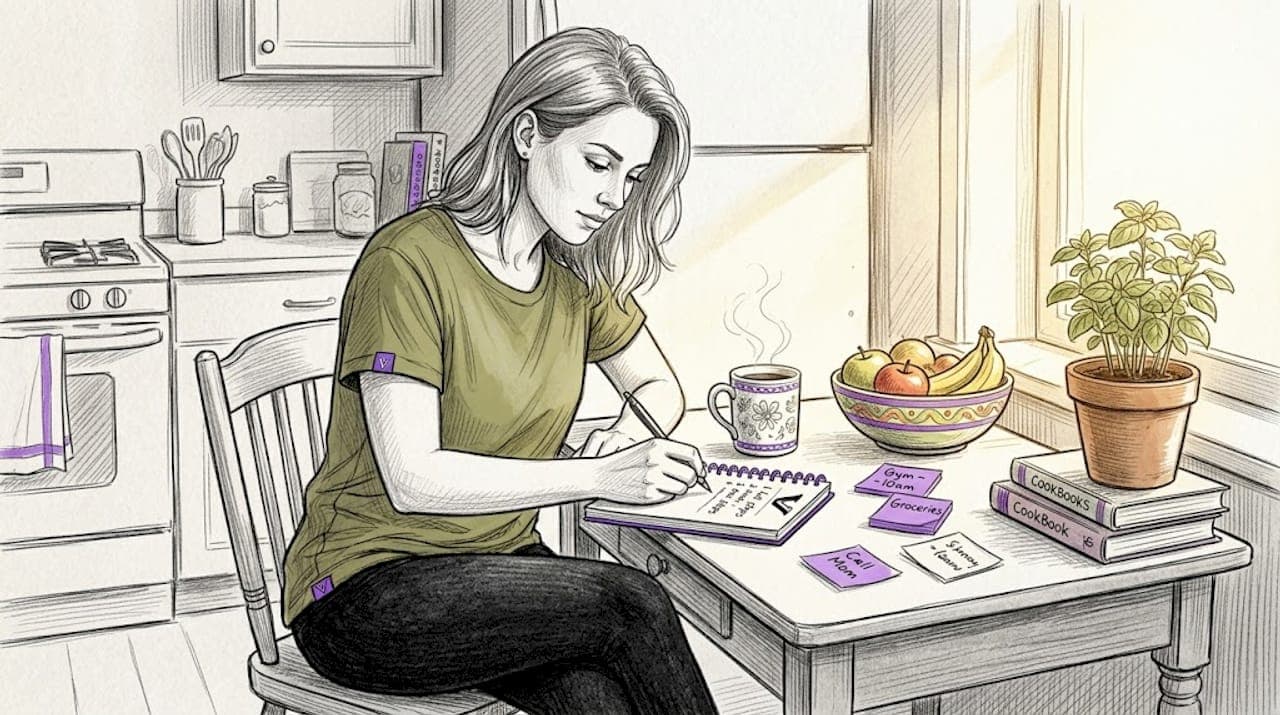
Vague goals create vague results. "I want to be healthier" does nothing until it becomes "I will go for a 20-minute walk every Monday, Wednesday, and Friday after I finish lunch." That shift from intention to specification is the core of what psychologists call implementation intentions. These are "if-then" plans that attach a behavior to a specific time, place, or trigger.
The research behind this approach is striking. Implementation intentions show a meta-analytic effect size of d=0.65 for goal attainment, which sits firmly in the medium-to-large range. That means the format of your goal matters almost as much as the goal itself.
Here's how to write one that works:
- Be specific about the when and where. "If it is Monday morning and I have just had coffee, then I will open my journal and write for 10 minutes."
- Link new behaviors to existing routines. Pairing a new habit with something you already do consistently removes the decision-making friction.
- Write it down. Goals that exist only in your head are easy to renegotiate. Written goals create external accountability.
- Review weekly. Spending 5 minutes every Sunday to check progress keeps you calibrated without obsessing daily.
The most common mistake people make with personal goal-setting is treating motivation as the engine. Motivation fluctuates. Your system should not.
Pro Tip: Write your goal in the format "When X happens, I will do Y" and place it somewhere you'll see it daily. This single structural change turns passive intention into a concrete trigger.
2. Building emotional resilience through mindfulness and self-compassion
Most people treat mindfulness like a mood fix. Sit quietly, feel better, move on. But used this way, it rarely produces lasting change. The more effective approach is to target specific emotional skills, particularly self-compassion and gratitude, rather than pursuing generic relaxation.
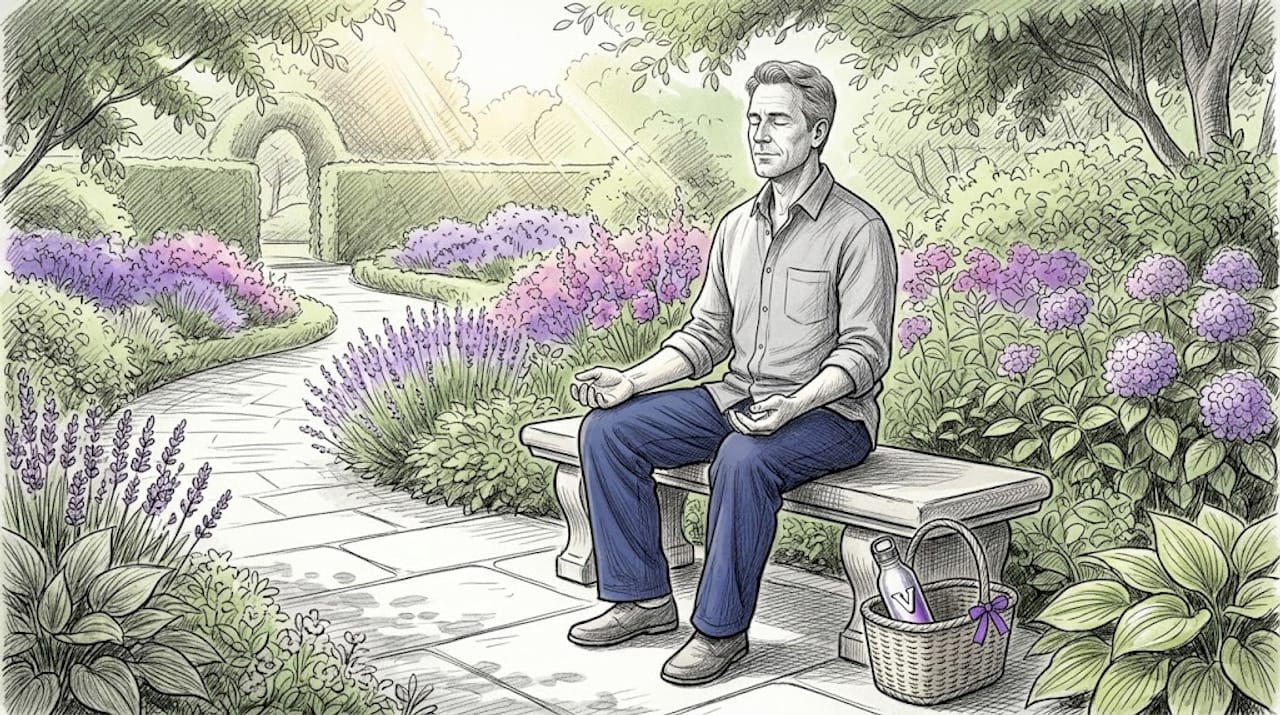
A 30-day internet-delivered mindfulness program demonstrated significant reductions in stress, anxiety, and depression while simultaneously increasing self-compassion and resilience. Critically, mediation analyses showed that 18 to 32 percent of the stress improvement was explained specifically by gains in self-compassion and resilience. The mindfulness was the vehicle. Self-compassion was the engine.
Research comparing intervention types found that self-compassion and gratitude programs sustained significant stress reduction at a three-month follow-up, while general mindfulness did not. This distinction matters enormously if you want long-term results from your self-growth practices.
Practical ways to build this skillset:
- Daily self-compassion check-ins. When something goes wrong, ask: "What would I say to a close friend in this situation?" Then apply that same tone to yourself.
- Gratitude with specificity. Instead of listing three things you're grateful for, write one thing in detail. Describe why it matters. Depth beats quantity here.
- Mindful pause after mistakes. Before reacting to a setback, take 60 seconds to notice your emotional state without judging it. This interrupts reactive patterns.
- Scheduled practice blocks. Brief daily sessions beat occasional long sessions. Consistency of time and context is what builds the skill. Learn why mindfulness matters for emotional well-being over the long term.
Pro Tip: If you only have five minutes, focus those five minutes on a self-compassion exercise rather than a generic breathing scan. The emotional specificity produces more durable benefits.
3. Using breathing exercises as a daily stress reset
Breathing exercises are one of the most underestimated self-improvement techniques available. They're free, take minutes, and have a direct physiological effect on your nervous system. But there's a key mistake most people make: they try to use a breathing technique for the first time when they're already anxious, and it doesn't work well. Then they abandon it.
The fix is counterintuitive. Practicing when calm is when you build the skill. Applying it under stress is when you use it. Just like any other trained response, it needs rehearsal in low-stakes conditions first.
Here's a structured approach to get started:
- Begin with just one technique. Box breathing (inhale for 4 counts, hold for 4, exhale for 4, hold for 4) is a solid starting point. Don't cycle through multiple methods.
- Practice 30 minutes of dedicated sessions, 2 to 3 times per week. NHS guidelines recommend this frequency for breathing exercises to build consistency and effectiveness over time.
- Attach practice to an environmental cue. A specific chair, a time of day, or a particular room all work as anchors that make the habit automatic.
- Track your response. Notice your starting and ending level of tension on a simple 1 to 10 scale. This trains you to observe progress rather than just "feel like it's working or not."
- Ease in gradually. If you feel dizzy or lightheaded during practice, shorten the duration and work up slowly. This is a skill, not a performance.
Pro Tip: Set a calendar reminder labeled "Breathing" at the same time each day for two weeks. The cue trains the behavior before the behavior feels natural.
4. Building self-confidence through small, consistent habits
Confidence is not a feeling you generate through positive thinking. It's a byproduct of keeping promises you make to yourself. The smaller and more reliable those promises, the faster your self-trust compounds.
Habits typically take 59 to 66 days to become automatic, and the research is clear that consistency of context matters far more than willpower or intensity. This is why starting small is not timid. It's strategic.
Building self-confidence this way means focusing on behaviors, not identity statements. Here's what that looks like practically:
- Cook one nourishing meal each week. Not every meal. One. When it becomes automatic, add another. This approach to building self-esteem through small commitments is well-documented and highly transferable.
- Schedule a weekly activity you genuinely enjoy. This signals to your nervous system that your needs are worth protecting.
- Reframe one negative self-talk loop per day. When you notice self-critical thought, write it down and then write an alternative that's honest but fair, not falsely positive.
- Use habit tracking. A simple checkmark in a notebook or app each day creates a visual record of consistency that makes breaking the chain feel costly.
The trap with building self-confidence tips is thinking you need a dramatic transformation. You don't. You need 10 weeks of small, unkept promises reversed into kept ones.
5. Using the Five Ways to Wellbeing as your daily growth framework
If you're looking for an evidence-based framework that doubles as a daily checklist for self-growth practices, the Five Ways to Wellbeing is worth building your routine around. Developed from large-scale mental health research, the five daily wellbeing actions are: Connect, Be Active, Take Notice, Keep Learning, and Give.
What makes this framework particularly useful is that each action is flexible. You adapt it to your actual life rather than following a prescriptive program.
| Wellbeing action | What it looks like in practice | Why it helps |
|---|---|---|
| Connect | Call someone instead of texting; have lunch with a colleague | Deepens relationships and reduces isolation |
| Be active | Walk one extra bus stop; take a 10-minute movement break | Improves mood and physical resilience |
| Take notice | Name three things you observe in your surroundings right now | Builds mindfulness and present-moment awareness |
| Keep learning | Watch one tutorial; try a new recipe; read outside your field | Strengthens cognitive engagement and self-efficacy |
| Give | Volunteer an hour; offer a sincere compliment; help a neighbor | Creates purpose and shifts focus outward |
You don't need to hit all five every day. The research supports the cumulative effect of these behaviors over time. Even three of the five, practiced consistently, creates measurable improvement in mental wellbeing. Think of this framework as a flexible scaffold for ways to improve yourself that doesn't require overhauling your schedule.
My honest take on what actually drives personal growth
I've seen people consume every productivity book, download every habit tracker, and still feel stuck. Here's what I've learned from working with thousands of people on emotional well-being and self-reflection: the limiting factor is almost never information. It's the gap between knowing and consistent doing.
What really drives lasting change is designing your environment and emotional skills before expecting behavior to shift. Most growth advice focuses on motivation, and motivation is the least reliable resource you have. What I've found works is narrowing your focus to one or two emotional competencies, like self-compassion or present-moment awareness, and building those deeply before layering in more practices.
The long-term success of any growth routine depends on making it relapse-resistant. That means designing practices you can maintain on your worst days, not just your best ones. Five minutes of journaling every day beats one hour every two weeks. Stable context beats inspirational bursts. And self-compassion, when genuinely practiced, creates the emotional safety that makes every other growth strategy work better.
Personal growth is not a self-optimization project. It's a relationship with yourself that you're steadily making more honest, more caring, and more sustainable.
— Voisley
Start your personal growth practice with Voisley

Knowing the right strategies is only half the equation. The other half is having a space where you can actually practice them without distraction or judgment. Voisley was built specifically for this. Whether you want to track your mood patterns, deepen your self-awareness through guided journaling, or build a gratitude and self-compassion practice with structure and consistency, Voisley gives you the tools to do it thoughtfully. The platform combines AI-powered prompts, mood visualizations, and multiple journal types so your growth practice adapts to where you actually are, not where you think you should be. If you're ready to move from reading about growth to experiencing it, start with Voisley today.
FAQ
What are the most effective tips for personal growth?
The most effective personal growth tips are those grounded in habit science and emotional skills: writing specific implementation intentions for your goals, practicing self-compassion alongside mindfulness, and building small consistent behaviors over motivation spikes. Research consistently shows these approaches produce more durable results than willpower-based strategies.
How long does it take to form a personal growth habit?
Habit formation typically takes a median of 59 to 66 days, not the commonly cited 21 days. The key factor is practicing the behavior in a consistent context with a stable cue, rather than relying on daily motivation to drive repetition.
How does mindfulness support personal growth?
Mindfulness supports personal growth by building emotional regulation and self-awareness, but the most durable benefits come from practices that specifically target self-compassion and gratitude. A 30-day internet-delivered mindfulness program showed 18 to 32 percent of stress improvement was explained by gains in self-compassion alone.
What is the best way to set personal goals?
The best way to set personal goals is to use implementation intentions: specific "if-then" statements that link your intended behavior to a time, location, or trigger. This format has a meta-analytic effect size of d=0.65 for goal attainment, making it one of the most evidence-backed approaches in psychology.
Can breathing exercises really improve self-growth practices?
Yes. Breathing exercises build emotional regulation capacity over time, but they work best when practiced regularly during calm states rather than only during stressful moments. Consistent practice two to three times per week, ideally tied to an environmental cue, strengthens your ability to apply the technique when it's most needed.